Thursday, 13 October 2016

MacqNap Spots - Napping during lectures?


MacqNap Spots - Sleeping in lectures?


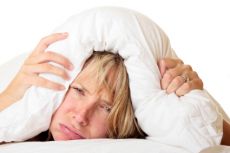
Have you ever fallen asleep in your lecture? Well I probably have many numerous times. Although my argument for this is if you aren't learning anything in your lectures, may as well spend the time wisely towards your health. Although of course come back and watch your lectures online when you aren't so tired so you dont get left behind. Either way if you do fall asleep in your lectures, well...At least you turned up.

Hey Alex here with another blog about sleeping. In this blog I'll be talking about sleeping in your lectures. Lets face it, we have done it - Or thought about it- mostly because of lectures being boring or simply not learning anything therefore putting your energy to better use. But fear not, sleeping in lectures may well be one of the best places to sleep in the University, at least according to my experience.


There really isn't much to say to or when you wish to sleep in a lecture. Which is why its one of the best places to nap really. All you might need to do is secure your bag, or if you have friends that want to learn you can get them to look after your things. Although one thing you would need to remember is to sleep properly. This refers back to my other blog about sleeping properly (with reference to sleeping posture in particular). My recommendation would be to get comfortable and make sure your head is not hanging downwards as you will be putting stress on your neck and after pro longed periods of time, this can cause some pain and discomfort. Therefore I recommend you cross your arms and if you can, on the little tables each seat has, nicely rest your arms in a crossed form with your head over them .

Lectures truly are in my opinion one of the best places to sleep while at Uni. Although the downfalls may be in the lecturer joking about you, or even waking you up to make fun of you. But if the lecturer does choose to let you sleep, you may have two to four hours of sleep to catch up on.

Writer:
Aleksandar Bjelosevic
aleksandar.bjelosevic@students.mq.edu.au 

Image : http://au.reachout.com/-/media/images/articles/man-sleeping-in-lecture.jpg?mw=2
80&hash=2B07949E844A0FAEC0E49E5E1B5129D74BB3DDCD


Friday, 7 October 2016

NapSpot: Macquarie Theatre Wall-Holes

Location: Macquarie Theatre W2.4A - First floor, right next to lecture hall entrance


Now that we're back to uni with the end of the holidays, that means that we're back to napping at uni and taking advantage of all the cosy spaces. In my first week back at uni, I discovered this not-so-hidden beauty when waiting for my tutorial to start upstairs. 

Immediately, there are some great pluses to napping here, the padding is surprisingly comfortable and there is plenty of room to stretch out your legs. The vibrant red colour is very eye-catching and the whole little 'cubicle' is aesthetically pleasing, new and modern. It feels like you're napping in style. Also, if you lie across it completely, you achieve the illusion of privacy as you face a wall and are cradled by three wall surfaces. When there are no classes, this corridor is usually very empty. The opposing side of the corridor has large glass windows looking out into the beautiful greenery also welcome in a large amount of sunshine, perfect for a spring nap. Sure there are many people passing the windows outside but people rarely look into them so your privacy is somewhat secured.

Unfortunately, a lot of downsides arise from napping here. First of all, the large opposing glass windows are great, but they let in so much light so you don't get any of that 'nap mood lighting'. Also, the red looks great and all but if you know your nap colours, and I sure do, blue is ideal to evoke a sleepy mood. Red, not so much. Of course the biggest problem I have with this spot is the fact that there aren't any power points nearby so you're not gonna want to spend much time here if your phone is on low battery. But the biggest problem by far is the fact that it is immediately next to the main entrance to the biggest and newest lecture hall in Macquarie uni. I'm sure you're not going to want to wake up to hundreds of people standing beside you as you nap away and they await their lecture. Kind of awkward. 

I think this spot is great for relaxing, it's comfy, looks good and very cosy with a great illusion of privacy. However, it's not the kind of spot where you want to let your guard down and fall asleep because you could wake up to a semi-awkward situation.

I give it a total of 3 out of 5 stars.

Writer:
Julia Gapon
julia.gapon@students.mq.edu.auhttps://twitter.com/MacqNap

Thursday, 6 October 2016

Napping Know-how for Students


I'm sure we have all taken a nap here and there sometimes because we're bored or sometimes cause we really need it and can't fight to stay awake any longer. 

There are so many hidden facts about napping that a lot of people don't know..


1. Napping makes you smarter
Some may find this hard to believe but there are studies that states that napping for a little as an hour allows your brain to reset you short-term memory and helps you learn more easily after you wake up.

2. All-nighters
Without a doubt students have stayed up all night to complete an assignment they may have very likely left last minute or left studying for an exam till the day before. Choosing not to sleep and to cram reduces the ability to retain information by 40%! 

Why even bother I say??

3. Napping before a planned all-nighter
So you've accepted the fact you left something last minute and now you have to face the consequences of not sleeping, try a short nap before the long hard night ahead it will assist you in staying alert for up to 10 hours after.

The power of napping is amazing!

4. Picking the right time
Picking the right time to nap is important so that it doesn't interfere with your nighttime sleep, best time is usually in the early afternoon after lunch.

5. Hour naps are the go-to
60 minutes of napping improves your alertness for 10hrs - However naps over 20-30mins to risk the chance of feeling groggy for half and hour to an hour after the nap.

6. A mix of caffeine 

Here's a cool tip, if you really need that boost of energy try drinking some caffeine right before you nap for 20-30mins which is the approximate time it takes for it to kick in and once you wake you will feel refreshed and ready to tackle your day!

7. Don't interfere with the night's sleep
Approximate time you want to be pushing your nap to is five hours before bedtime without risking being able to fall asleep at night


Writer - Lousie Le

Images
https://www.google.com.au/search?q=napping+interesting+facts&biw=875&bih=849&espv=2&source=lnms&tbm=isch&sa=X&ved=0ahUKEwjhoNSQq8fPAhWHj5QKHVaFD1kQ_AUIBigB&dpr=1.1#imgrc=rGBNZKjWSzAD4M%3A 

Friday, 30 September 2016

Stress-free sleeping

Stress-free sleeping Tips for better sleeping!


Have you ever tried sleeping the night before some major exams or the day before some sort of confrontation with an incoming conflict? Do you remember  how long it took you to get to sleep, tossing and turning, only to get a few hours of sleep riddled with nightmares of the incoming event. This can all be linked to stress, anxiety and excitement to some extent.


Stress acts similarly to your body telling you that something is wrong although most of the things it tells you are wrong is only because you make it out to be something far worse than it really is in your mind. This can also be attributed to the environment and people you surround yourself with telling you that certain things are wrong or bad, things such as failing an exam. And this can lead to nightmares.

There are a few methods you could use to deal with stress before sleep, or in some sense to De-stress yourself.

* One thing I noticed through life experience was to avoid horror movies and angry things (such as loud, heavy metal) than my solution is to spend 1-2 hours before sleep without these things. This period will be the wind down period.

* The wind down period is to as the name suggests wind down. To calm yourself, to release the stress and stop thinking about that which scares you or in another sense stimulates your mind to a great extent.

* I suggest drinking some tea and listening to some soft music (I tend to listen to Jazz, orchestral and in some cases Church Chants) to wind down or calm down). Another thing I would suggest is watching animal video (I like cat and dog videos personally) that are great for winding down as they are very happy videos and animals are so cute.

* If you are religious, You could practice praying or whatever your religion preaches which could calm you down spiritually and mentally.

* A great tip would be to take deep breaths before sleep. This means inhaling air until your stomach goes out ass much as it can and until you have more than enough air. Then simply exhale and repeat it five times. This is also a great tip for stressful situations in general such as speeches. Taking five deep breaths before the action or event will go a long way to calm you down.

* Taking a shower is a great way to calm down after and before events. This also includes when you are feeling stressed or afraid. This not only relaxes your muscles but increases your internal or body temperature which makes sleeping much easier and is one of the reasons people generally feel calmer after a shower.

* My last recommendation with winding down or de-stressing is to exercise. Exercising uses a lot of energy and is a great way to remove or waste your anger in some sense. This is seen best in releasing your anger on a punching bag or spending energy running around your nearby area.

These tips help me on a daily basis to get a good nights sleep and de-stress on a general basis. If you are having problems sleeping, I suggest you give these a shot!


Writer:
Aleksandar Bjelosevic
aleksandar.bjelosevic@students.mq.edu.au Image:
http://askdrernst.com/wp-content/uploads/Sleep.jpg
https://cdn.psychologytoday.com/sites/default/files/styles/article-inline-half/public/blogs/46501/2011/05/65205-55645.jpg?itok=AuOEmFhc


Hey Nappers!


So today I am blogging from the sunny Port Macqaurie! I'm staying in a nice little hotel room with two single beds. That got me thinking, how can I get the best sleep possible whilst I'm away from the comfort and familiarity of home base (my bed)? At home, I've got my routine, my pillows arranged for maximum comfort and my own toasty, warm blanket. Here, I'm in foreign terrain – Terrifying, I know.

Here's how I got the best sleep out of my stay:


1. Investigate and explore


Hotel rooms always have hidden goodies hidden in the closets and cupboards. Make sure you check those out first because you are bound to find extra pillows and blankets to use in building up your bedding inventory. If you ever feel like you don't have enough in your arsenal, you can always call the lobby and ask them to bring up some more.

2. Take advantage of the complimentary tea

Tea has always been a friend of mine. If you know your teas well enough and drink the right ones, you can totally manipulate how you feel. If you're ever having a rough night or demand a good night's sleep, drink a cup of chamomile tea. Knocks me right out. For the best cup of tea, add milk and honey. You'll be counting sheep in no time.

3. Play around with lighting

You should try and manipulate the lights in a way so that its not pitch black but not light about an hour before you sleep. This will get you in the mood and have you feeling tired by the time it's actually time to doze off. Usually, rooms will have a bedside lamp. This is especially ideal if you're reading a book before bed – Reading a book also tends to knock me out but make sure it's one that isn't too interesting otherwise you may end up staying up all night instead! I recommend turning off all the lights besides the lamp or a light in a neighbouring room. 

4. Extra beds

Sometimes you may be travelling with a large crew and there aren't enough beds for you guys to sleep on. In this worst case scenario, most beds allow you to take the mattress off the bed support. The support is not ideal but when layered with many blankets, it's sleepable. That way, you've got two beds made out of the one.

I'm off to enjoy Port Macquarie, happy sleeping everyone!

Writer:
Julia Gapon
julia.gapon@students.mq.edu.auhttps://twitter.com/MacqNap


Image:
http://www.lafayettegardeninn.com/wp-content/fancygallery/1/3/laf_inn_rooms_1.jpg

Wednesday, 28 September 2016

Napping - Simple facts and helpful tips

NAPPING - Simple facts and helpful tips


Biphasic sleep: the practice of sleeping within 2 periods over 24 hours
Polyphasic sleep: the practice of sleeping multiple times within the 24 hours in a day (usually more than 2 times)


Interesting fact

More than 85% of mammals are polyphasic sleepers - sleeping for short periods throughout their day
Us humans are part of this minority - we divide our days into distinct periods for sleep and the other for wakefulness 
-Source: Sleep Foundation


With our busy lifestyles we are becoming more and more sleep deprived and restless. There is no proven theory that naps make up for the poor efforts of sleep at night but a short nap 20-30 mins generally can assist in the improvement of alertness, performance and mood. 


Helpful tip

20-30mins nap are recommended for those who are feeling fatigued and need to recover - this time frame allows improvements in performance and alertness without interring with nighttime sleep or the feelings of groggy-ness (if you know what I'm talking about  - after you wake up from a 2hr nap asking what year it is)


Types of naps 


  • Planned napping - involves the preparing/decision to nap beforehand - use this to allow the body and mind to stay up a little later than the usual bed time or to improve tiredness throughout the day
  • Emergency napping - needed when the body starts to give out and you can't shake off the feeling - users tend to micro sleep
  • Habitual napping - practice of taking a nap at the same time everyday 


Sources:

https://en.wikipedia.org/wiki/Biphasic_and_polyphasic_sleep 
https://sleepfoundation.org/sleep-topics/napping

Writer
Lousie Le
Lousie.le@students.mq.edu.au
https://twitter.com/MacqNap

Sunday, 25 September 2016

Napping - The benefits

Napping - The Benefits


In the past, napping was often viewed as a sign of laziness or poor self-care. However lately, thanks to scientific evidence that midday dozing benefits both mental acuity and overall health, the practice has garnered new respect.


Here are 4 reasons why you should consider a daytime siesta:


1. A nap restores alertness. The National Sleep Foundation recommends a short nap of twenty to thirty minutes “for improved alertness and performance without leaving you feeling groggy or interfering with nighttime sleep.”

2. A nap prevents burnout. Research Subjects who nap show greater emotional resilience, improved cognitive function, and more. Just 30 minutes can prevent the day’s wear and tear from frying your circuits.

3. A nap reduces the risk of major illnesses. Did you know those who take a midday siesta at least three times a week are 37 percent less likely to die of heart disease? Working men are 64 percent less likely! Napping reduces stress and lowers the risk of heart attack and stroke, diabetes, and excessive weight gain.

4. A nap makes you more productive. A 2002 Harvard study demonstrated a thirty-minute nap boosted the performance of workers, returning their productivity to beginning-of-the-day levels.


- Image sources are
http://nicholasferguson.org/wp-content/uploads/Napping-memory-test_full_600.jpg
- Information Source
http://nicholasferguson.org/3-benefits-of-taking-naps-and-how-they-improve-your-life/
https://michaelhyatt.com/why-you-should-take-a-nap-every-day.html

Writer -
Katherine McArthur